
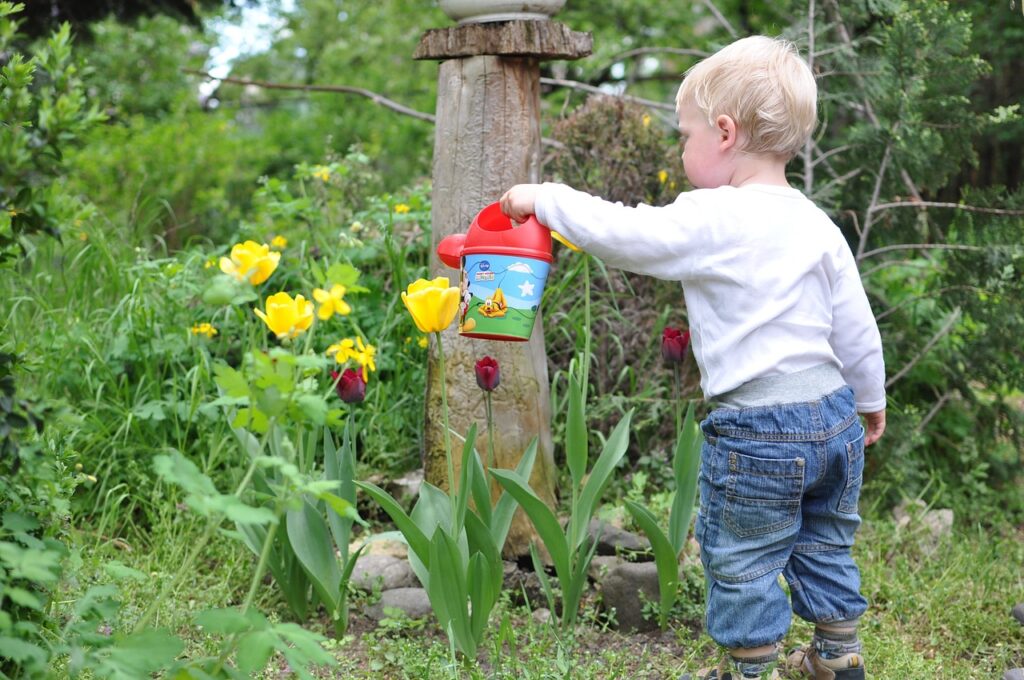
Proper Watering For Landscape Plants
When it comes to establishing new shrubs, trees, perennials, and annuals, watering instructions for new landscapes are vital for their successful growth and long-term health. In this blog, we’ll explore effective watering techniques and provide valuable insights to ensure your plants receive the optimal amount of water needed for their well-being. By following these guidelines, you can create a flourishing landscape that’ll be the envy of the neighborhood.
How To Water Landscape Plants:
Watering Frequency for New Shrubs and Trees
For the first month after planting, new shrubs and trees require regular watering every other day for approximately twenty minutes. This schedule allows the root systems to establish themselves and ensures adequate hydration during the critical early stages. Keep a watchful eye on the foliage for any signs of stress, such as wilting or discoloration, which may indicate the need for more frequent watering.
Watering Perennials and Annuals
Perennials and annuals often have shallower root systems and may require daily watering, particularly during hot and dry periods. Monitor the moisture levels of the soil and adjust your watering schedule accordingly. Remember to pay attention to the foliage, as stressed leaves can indicate the need for more water.
Transitioning to a Reduced Watering Schedule
After the initial month, gradually reduce the frequency of watering to twice a week. This adjustment encourages the plants to develop stronger and deeper root systems, enabling them to access water more efficiently. However, continue monitoring the moisture levels in the soil and make adjustments as needed to ensure your plants remain adequately hydrated.
Watering Considerations for Established Landscapes
Once your landscape has been in place for one year, watering requirements will typically decrease. During periods of dry spells or excessive heat, it is crucial to provide supplemental water to prevent stress and maintain the health of your plants. However, rely on natural rainfall as much as possible and only water when necessary to avoid overhydration.
The Best Time to Water
Mornings are the optimal time for watering your plants. During this time, there is less evaporation compared to later in the day, allowing the water to penetrate the soil effectively. Additionally, watering in the morning allows the leaves to dry completely, reducing the risk of plant diseases caused by excess moisture. Using a sprinkler is preferred for even water distribution.
Watering Technique: Root System vs. Foliage
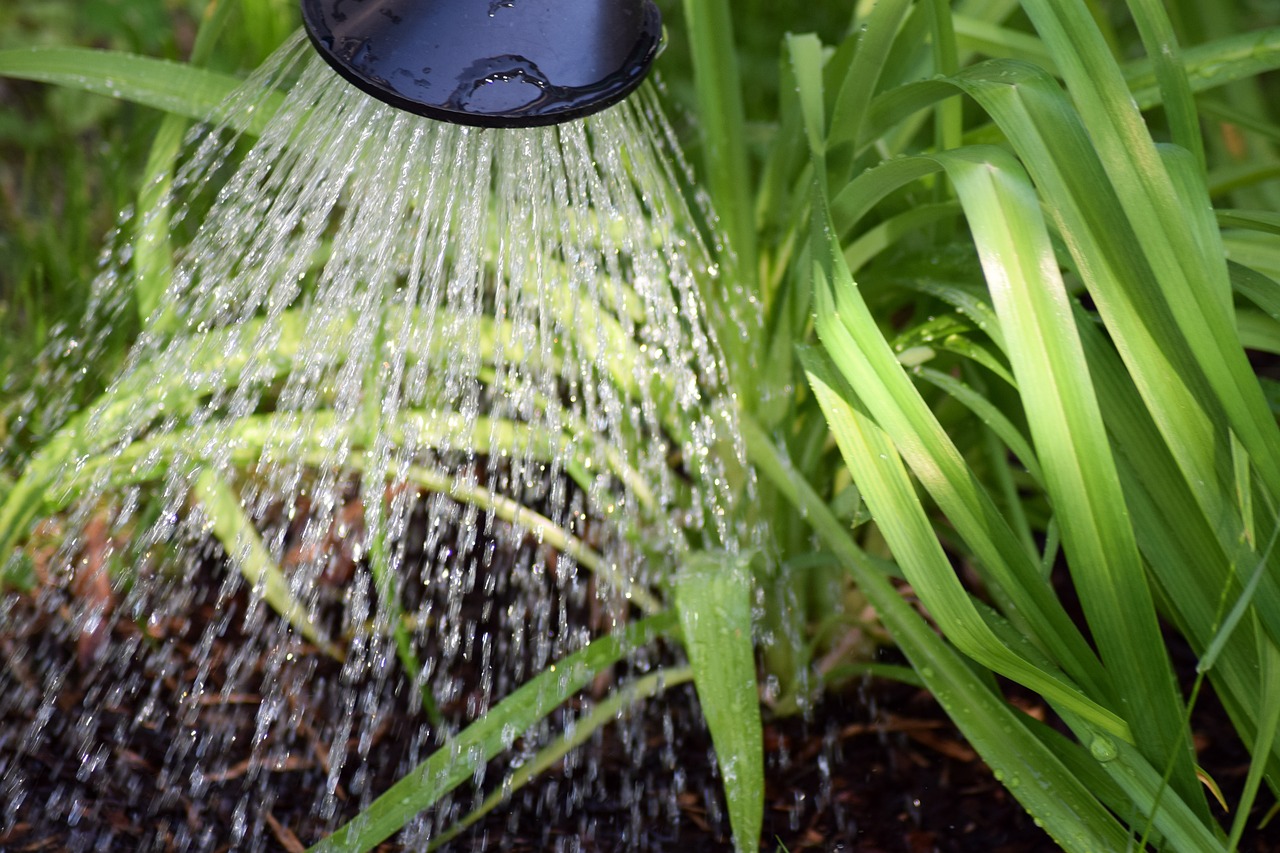
When watering, focus on saturating the root system rather than wetting the foliage. Leaves are not efficient in absorbing water, and wet foliage can lead to the growth of fungal diseases. Direct the water towards the base of the plants, aiming to penetrate the soil and reach the roots where it is needed most.
Supplementing Natural Rainfall
While it is tempting to rely solely on Mother Nature to water your plants, it is essential to remember that natural rainfall is often insufficient to adequately hydrate new plants. Most of the water from rainfall tends to run off rather than soak into the ground. To ensure your plants receive the necessary moisture, supplement rainfall with proper watering techniques.
Consistency and Convenience
Using a timer allows you to set a predetermined watering schedule, ensuring that your plants receive the necessary moisture consistently. As part of your watering instructions for new landscapes, this tool is especially helpful if you have a busy schedule or are away from home frequently. With a timer, you can automate the watering process, providing peace of mind and freeing up your time for other gardening tasks.
Related Posts:
Allentuck Landscaping Company is Your Residential Landscape Company
Phone: 301-515-1900
At Allentuck Landscaping Company, our mission is to create beautiful environments for people to enjoy. We see landscaping as a way to improve people’s lives.
The Allentuck Landscaping Company team has been delighting homeowners in Maryland, Washington DC and Northern Virginia for over 28 years with our turnkey approach to landscape design, installation, construction and maintenance. Most companies try to serve many types of customers at the same time; homeowners, shopping centers, office buildings and the list goes on. At Allentuck Landscaping Company, we focus on one customer, you, the homeowner. We have a singular focus on bringing you the best landscape practices, the best customer service, and the best value for your home.
Services Provide – Master Landscape Plans, Complete Maintenance Programs, Plantings, Patios, Walkways, Retaining Walls, Water Features, Outdoor Lighting, Outdoor Kitchens, Trellises & Pergolas, Irrigation Systems, Drainage Solutions, Grading & Sodding. Fire Pits & Fire Places, Spring Clean Ups, Decks, Fences
Areas Served – Chevy Chase, Bethesda, Potomac, Rockville, North Potomac, Darnestown, Gaithersburg, Germantown, Travilah, Damascus, Boyds, Clarksburg, Ijamsville, Urbana, Frederick and Washington DC.
Allentuck Landscaping Co. is a proud member of the National Association of Landscape Professionals and MyLandscapeAcademy.
13711 Travilah Rd, Rockville, MD 20850
(301) 515-1900